
Personal Care & Healthcare Custom Labels
Cosmetics, supplements, OTC products, and prescriptions each carry their own rules and risks. Your label has to meet the ones that apply to your product, hold up to how it’s actually used, and still look the part on a shelf or in a medicine cabinet. With more than 50 years of manufacturing custom labels across regulated industries, we build labels that do all three.
What Are Personal Care and Healthcare Labels?
Personal care and healthcare labels are custom labels manufactured for products people apply, ingest, or use to manage their health and appearance. This category is often referred to simply as personal care labels, though it also spans healthcare-adjacent products like OTC and prescription drugs. It covers a wide range of goods: cosmetics and skincare, lotions and personal hygiene products, dietary supplements and vitamins, over-the-counter (OTC) medications, and prescription drugs.
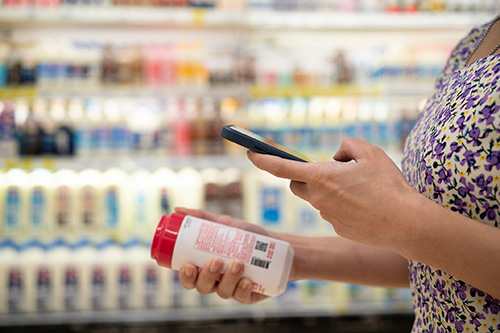

What separates these labels from general product labeling is the combination of two demands that don’t always pull in the same direction. On one hand, the label has to meet whatever regulatory labeling requirements apply to that specific product category. On the other, it has to survive real conditions: oils, moisture, refrigeration, repeated handling, and in some cases, active attempts at tampering.
Getting a label that does both well is rarely as simple as picking a material off a shelf. The right choice depends on the product, the container, how it’s stored, and how it’s used.
Why Is This Type of Labeling So Complex?
Unlike a lot of consumer packaged goods, personal care and healthcare products often answer to more than one set of standards at once. A supplement label might need to meet Supplement Facts formatting rules and survive a humid bathroom shelf. A cosmetic label might need specific ingredient disclosures and also resist the oils in the product it’s wrapped around. A prescription label might need a level of durability and tamper resistance that a lotion bottle never will.
This is also a category where the label carries real informational weight. It’s often the only place a consumer or a healthcare provider will find dosage instructions, ingredient warnings, or expiration information. If function doesn’t outperform form, the consequences go beyond a label peeling off; a label that’s ordered wrong, printed wrong, or built from the wrong material can turn into a compliance problem, a safety problem, or both.
Because the stakes vary so much by product type, we’re breaking this down by what to expect for common categories, followed by the durability requirements that tend to apply across all of them.
See our full “Custom Labels for Health and Personal Care Products” guide for a deeper walkthrough of the ordering process.
What Requirements Apply to Personal Care and Healthcare Labels?
We’re not a compliance authority, and we won’t tell you what your product legally requires; that’s a conversation for your regulatory or legal team. What we can tell you is what those requirements mean for the physical construction of a label, so you know what to ask for when you order.
Cosmetics and Personal Care Products
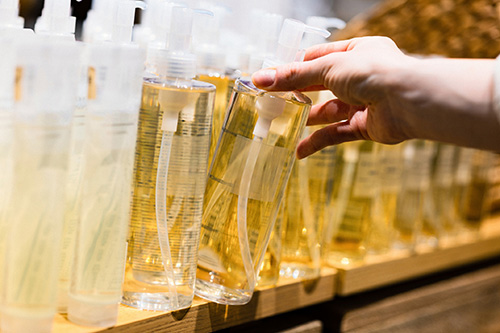
Cosmetic labels often carry ingredient lists formatted to INCI (International Nomenclature of Cosmetic Ingredients) naming conventions, along with net quantity and manufacturer information. Many of our cosmetic and personal care clients are also navigating federal cosmetic labeling requirements while building the perfect label for their beauty brand, especially as they scale into new markets or retail channels.
Dietary Supplements and Vitamins
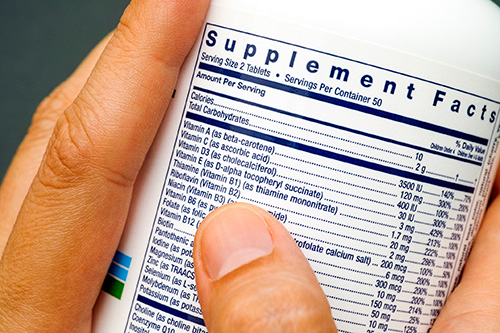
Custom supplement labels often need to accommodate a Supplement Facts panel, which has its own formatting conventions distinct from a food Nutrition Facts panel. Vitamin labels generally follow this same Supplement Facts format. These labels often carry dense text in a small format, which affects everything from font size to label real estate planning. It’s a lot of information to fit into a small space, and mapping out that layout before final design starts is one of the more common conversations we have with supplement and vitamin brands.
OTC and Prescription Medications
Over-the-counter products usually require a Drug Facts panel, and medication labels in general carry some of the strictest formatting demands in this category. Prescription products carry additional demands, including space for prescriber and pharmacy information, lot and National Drug Code (NDC) numbers, and in many cases, child-resistant or tamper-evident features. Pharmaceutical labels need a manufacturer who understands how these requirements translate into label construction, because a mistake here can mean a product that can’t ship.

Hemp and CBD Products
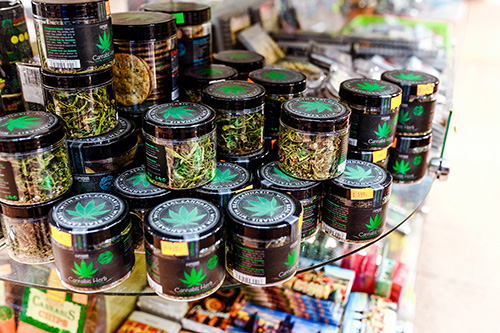
This is a fast-growing category with its own labeling considerations, including potency disclosures and, in many states, QR codes linking to lab results. We’ve built CBD labels and other hemp-derived product labels that needed to hold up to the same durability demands as any personal care label, while accommodating a layout dense with regulatory and batch information. If this is your first time navigating this category, we can help you fit all of that information in without cluttering the label design.
What Must Personal Care and Healthcare Labels Withstand?
Regardless of product category, labels in this space tend to face a similar set of physical demands. Common requirements include:
A label that fails on any of these fronts can mean a consumer can’t read a warning, a pharmacist can’t verify a prescription, or a product gets pulled from a shelf. Tamper-evident and tamper-proof construction in particular has become a baseline expectation across most of this category, especially for high-risk products.
What Materials and Label Types Work Best?
Material selection depends heavily on the product and container, but most personal care and healthcare labels fall into a few functional groups.
Durability & Compliance Labels
- Tamper-evident labels
- Void labels
- Chemical-resistant film labels
- Waterproof and moisture-resistant labels
Shelf and Brand Presentation
- Clear/no-label-look labels for premium cosmetics
- Metallic and foil-accented labels
- Textured or soft-touch laminates
Functional and Informational
- Booklet and extended-content labels for dense regulatory text (common on supplements and OTC products)
- Multilayer labels for products needing both promotional and compliance information
- Variable data labels for lot numbers, expiration dates, and serialization
If you’re not sure which category your product falls into, that’s a normal starting point. Most of our clients arrive with a product and a rough sense of what it needs to do, and we work backward from there to the right material and construction.

How Do You Get the Right Label the First Time?
Whether you’re launching a new cosmetic line or reformulating a supplement, the process for sourcing custom labels generally follows the same path:
What should you consider before printing your labels?
- Share your product details. Container material, storage conditions, and any regulatory requirements you’re already aware of to help us narrow down material options.
- Review material and construction options. We’ll walk through the adhesive, face stock, and finishing choices that fit your product’s real-world use.
- Confirm layout and content needs. Dense panels like Supplement Facts or Drug Facts often shape label size and shape before design even starts.
- Move into production and quality checks. Every run is checked against your specifications before it ships.
Unfamiliar with some of the terms above?
Our Glossary of Label Printing Terms covers adhesive types, face stocks, and finishing options in plain language.
Ready to Build a Label That Works as Hard as Your Product?

Cosmetics, supplements, OTC products, and prescriptions each come with their own mix of regulatory requirements and real-world wear and tear. Getting both right from the start saves you reprints, delays, and the kind of last-minute compliance scramble nobody wants right before a launch.
Whatever stage you’re at, from early material questions to final production, we can help you sort through the details before they become problems.
Frequently Asked Questions About Health and Personal Care Labels
Ready to Talk Through Your Label?
Whether you’re launching a new personal care product or reformulating an existing one, we can help you figure out what your label needs to survive and how to get there.
Read our Latest Personal Care & Healthcare Blog Posts
- How Function Outperforms Form on Custom Labels
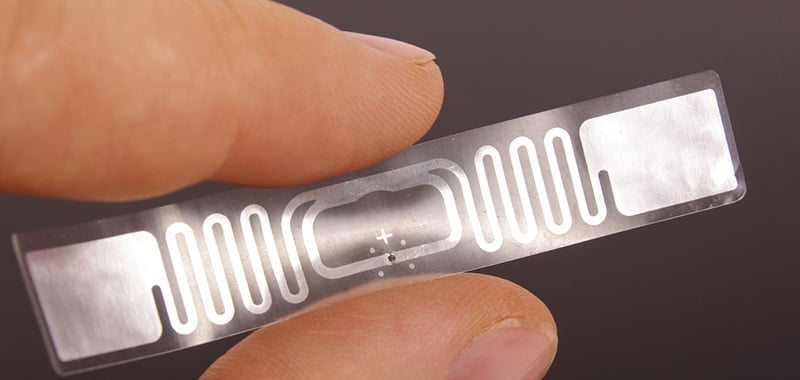
Most people judge a custom label by its looks, just like they would a book. Think about the last time you saw influencer content without a memorable, […]
- Beauty Product Label Tips to Help Grow Your Brand in 2023

The beauty and personal care industry is growing rapidly. Beauty buyers’ values and shopping habits are changing just as quickly. Your beauty […]
- The Plain-Language Guide to Federal Cosmetic Labeling Requirements
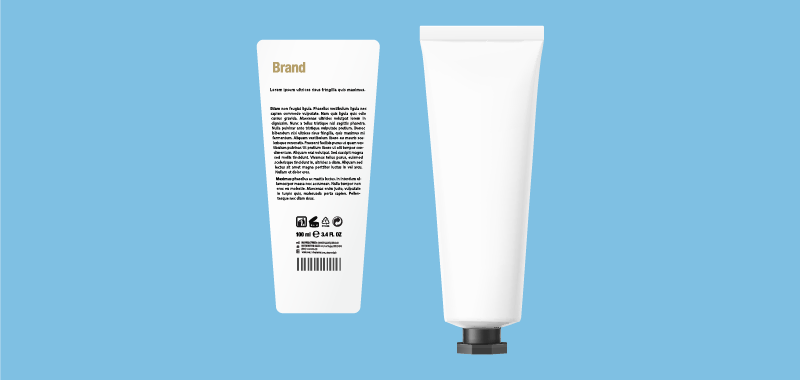
While there’s no question that cosmetics companies must follow federal guidelines, those rules and regulations are not always simple. The labeling […]