
Custom Electrical Labels for Electronics & Compliance
Electrical labels and electronic device labels engineered for safety, compliance, and durability.
In your industry, precision matters. Your labels have to perform, whether they're warning a technician about arc flash and shock hazards, guiding a consumer through safe setup, or proving compliance to an auditor. Getting the details right can mean the difference between a label that protects people and one that puts them at risk.
The Label Printers has manufactured custom electrical labels and electronics labels for decades. On this page, you'll find what these labels do, the standards they may need to meet, and how to get labels that perform for the life of your product.
What Are Electrical & Electronic Labels?
Electrical and electronics labels are custom labels that identify equipment, warn of electrical hazards, display required compliance marks, and track products and components. They appear on everything from consumer electronic devices and circuit boards to electrical panels, switchgear, and motor control centers.
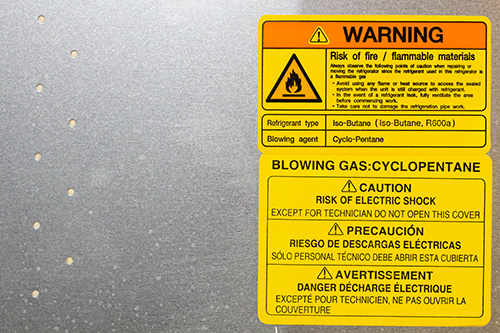
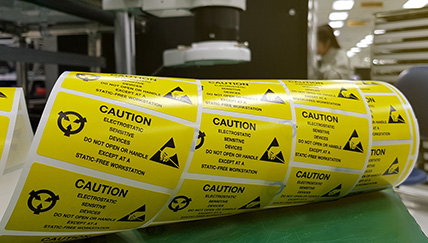
How are they different from other product labels? Most labels work hard for your brand. These labels also carry legal and safety weight. They must meet strict regulatory standards, survive heat, solvents, and static discharge, and stay legible for the entire life of the equipment. A peeling logo is a branding problem. A peeling voltage warning is a safety problem, and possibly a liability one.
What Do Electrical & Electronics Labels Need to Do?
Requirements vary by product and industry, but electrical and electronics labels must often:
- Meet UL or FCC compliance standards for safety and electromagnetic interference
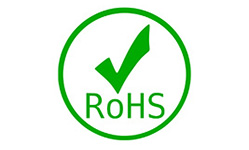
- Support RoHS or CE marking requirements for products sold in regulated markets
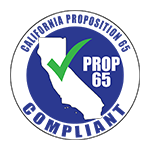
- Include Proposition 65 warnings when applicable for products sold in California
- Resist solvents and high temperatures common in manufacturing and field environments
- Prevent static discharge with ESD-safe materials that protect sensitive components
Missing any one of these can hold up a product launch, trigger fines, or create real danger for end users. That's why our team asks detailed questions about your product, its environment, and its regulatory requirements before recommending a single material. It's the same consultative approach we bring to sourcing custom labels of every kind.
Types of Electrical & Electronics Labels We Produce
Which Compliance Standards Do Electrical & Electronics Labels Address?
We help customers produce labels that support compliance with the standards electronics manufacturers encounter most:
UL

FCC

RoHS
CE

ESD

Requirements change, and they layer differently depending on where and how your product is sold. Once your compliance team confirms which labeling guidelines for electronics apply to your product, we build labels that meet them: the right format, durability, and legibility to satisfy the standard.
Which Conditions Can Electrical Labels Withstand?
Electrical equipment lives a hard life, and its labels have to keep up. Depending on your application, we select materials, inks, adhesives, and coatings built for:
The right combination depends on your substrate, environment, and application method. There is no one-size-fits-all answer, which is exactly why we ask so many questions.

How to Get the Right Electrical Label the First Time
Reprints and rework are expensive. Worse, a label failure in the field can sideline equipment or expose workers to electrical hazards. The fastest way to avoid both is a label partner who asks the right questions upfront, before anything goes to press.
When you talk with The Label Printers, expect questions like:
- What surface will the label adhere to? Powder-coated metal, bare aluminum, and textured plastic each call for different adhesives.
- What will the label be exposed to? Heat, solvents, outdoor weather, and repeated handling all change the material conversation.
- What regulatory information must appear, and at what size? Compliance marks have format requirements that affect your design.
- How will labels be applied: by hand on a bench, or by machine on a line?
Your answers shape every recommendation we make. A little upfront attention to product label design saves rounds of revisions later. And when the conversation turns technical, a quick reference for label printing terms and definitions keeps everyone speaking the same language.
Why The Label Printers?
We've been making custom labels since 1967, and our operations are certified to ISO 9001:2015, a standard that demands an uncompromising commitment to quality. Electronics manufacturers, OEMs, and engineers choose us because we treat labeling as an engineering problem, not a commodity transaction. We ask questions up front so problems don't appear later, and we deliver the same quality on your hundredth order as your first.
Frequently Asked Questions About Electrical & Electronics Labels
Let's Talk Labels
Whether you need electrical safety labels for a plant floor or serial number labels for a product launch, you don't have to figure it out alone. Talk with a label expert about the materials, adhesives, and construction that will perform for your product and its environment.
- How Function Outperforms Form on Custom Labels
Most people judge a custom label by its looks, just like they would a book. Think about the last time you saw influencer content without a memorable, […]
- Securing Your Product with Tamper-Proof & Tamper-Evident Labels
Product tampering is a significant problem for brands and consumers worldwide. Nearly every product category can fall prey to tampering, from luxury […]
- Deciphering the Label: Electronic Equipment Labels

In addition to doing the things all product labels must do – attract consumers, provide usage instructions, look great – electronics labels have […]